Broadland Country Park Visitor Centre
Broadland Country Park is a designated Suitable Alternative Natural Greenspace (SANG), created to offer high-quality, accessible recreational areas that help alleviate pressure on sensitive natural habitats, such as the Norfolk Broads.
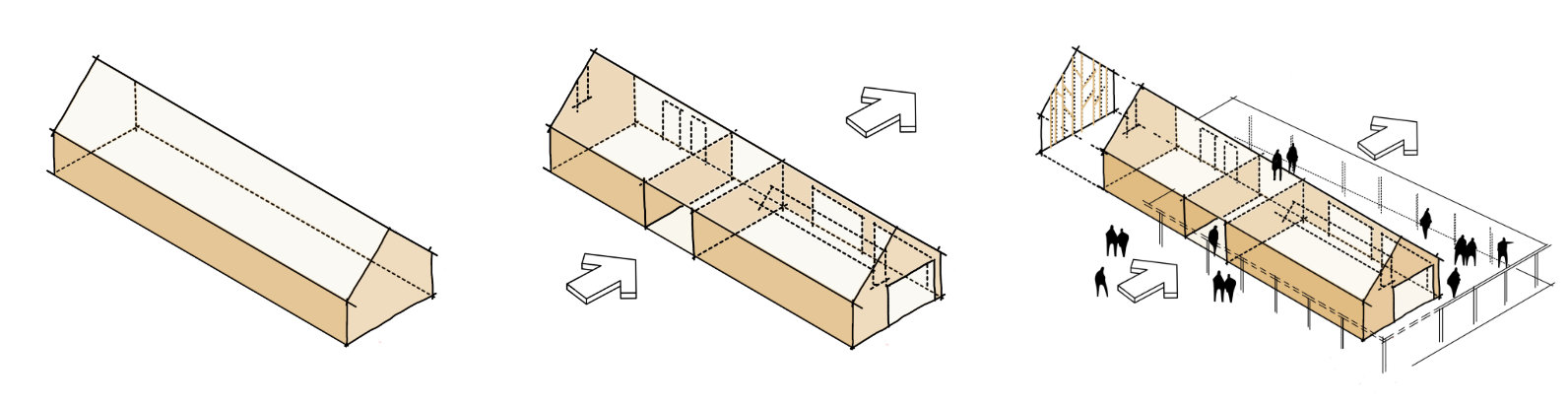
The project for Broadland District Council will deliver a new visitor centre and cafe at Broadland Country Park, on the outskirts of Norwich. The new facilities will create a vibrant and inclusive recreational space, inspired by nature, to elevate the Park’s appeal as a key outdoor destination.
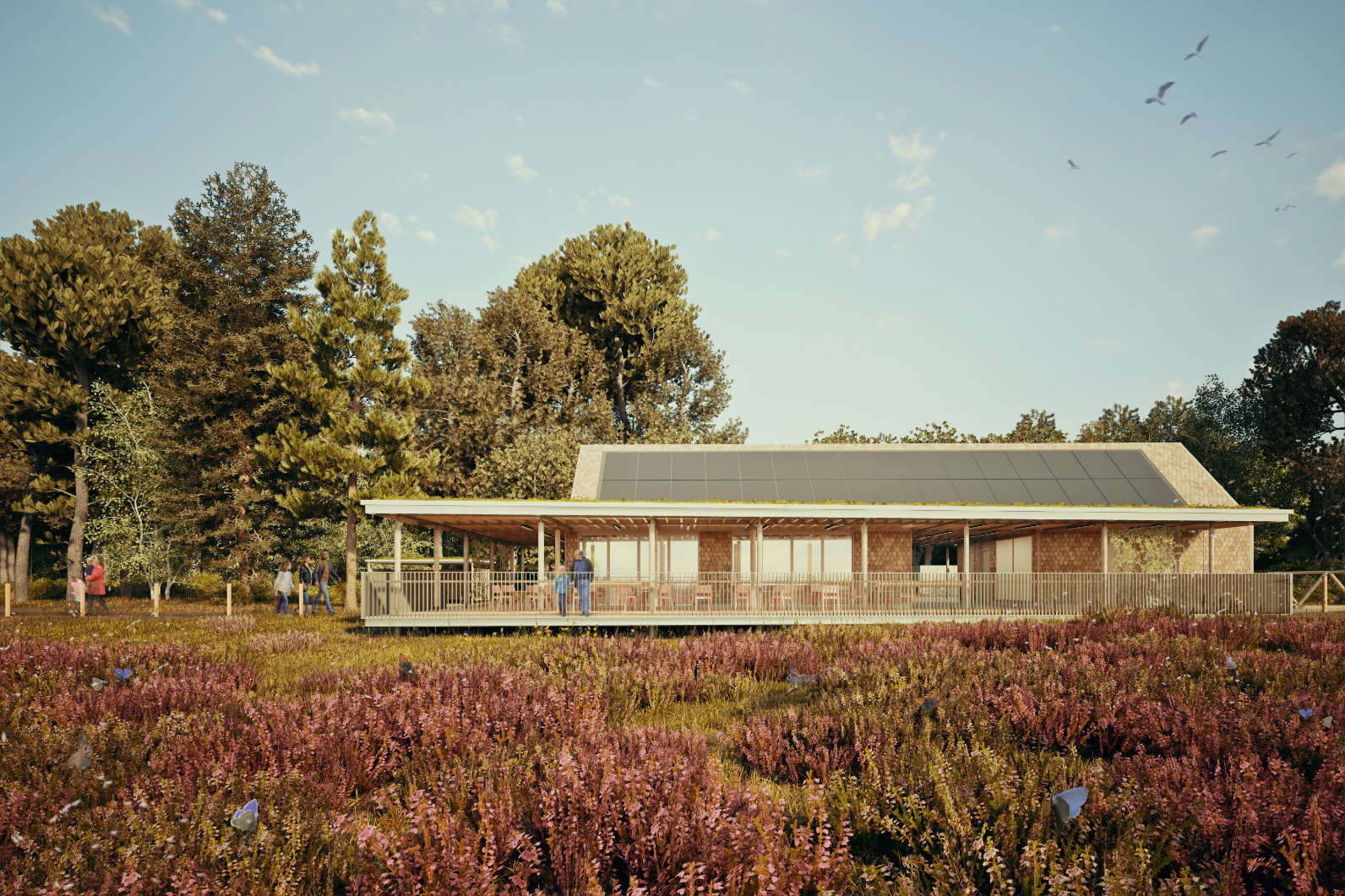
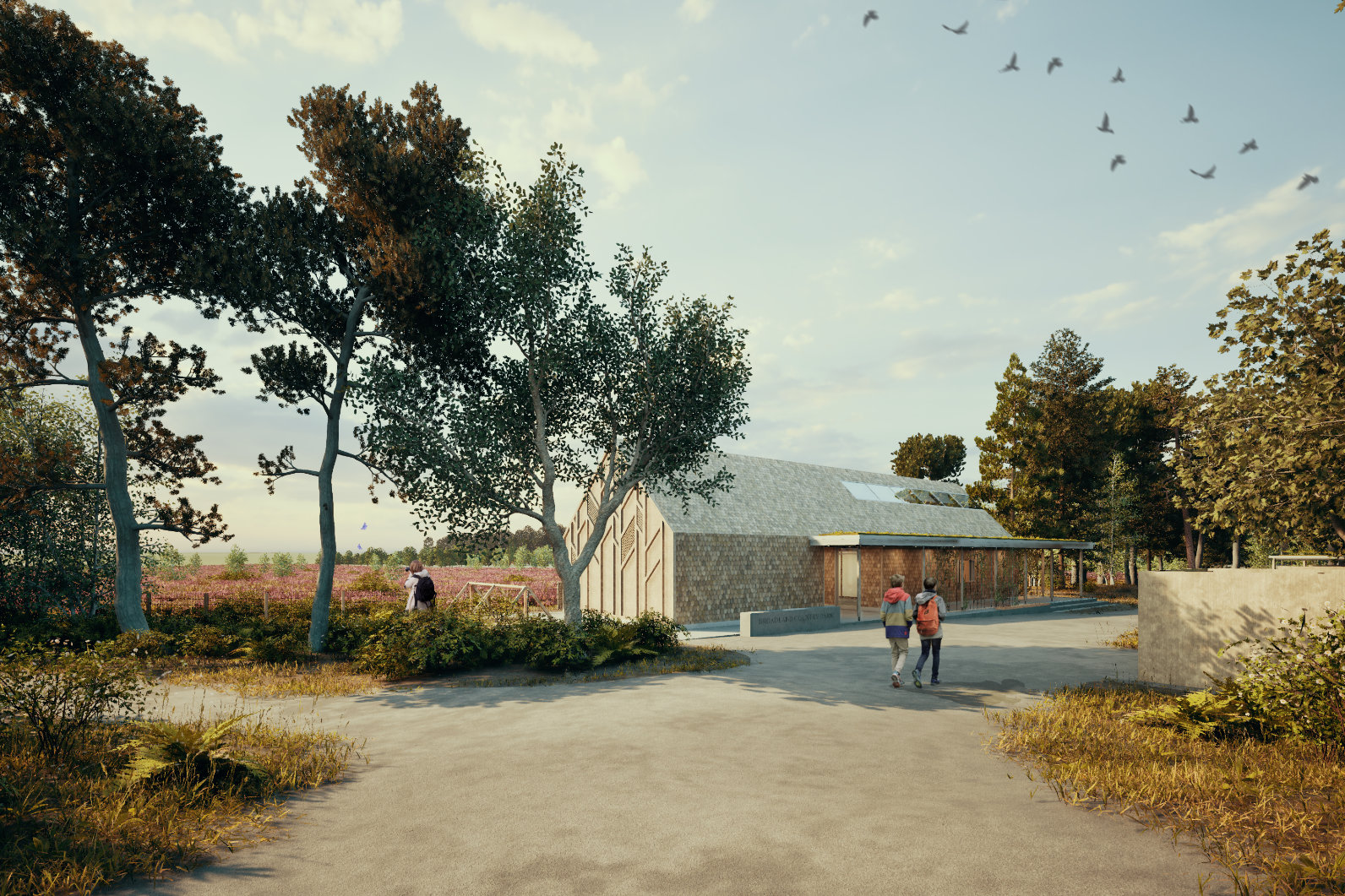
The building is designed to echo the natural patterns found in the park’s wildlife, particularly the mottled feathers of the nightjar and the scales of the common lizard. Both species, native to the area, are masters of camouflage, blending seamlessly into their surroundings. The use of rounded timber shingles reflects this natural aesthetic, with their textured surfaces mimicking the intricate patterns of these animals.
The eastern gable end celebrates the history of the area. Drawing inspiration from Norfolk’s architectural heritage, where decorative gables are a common feature, the design incorporates patterns, inspired by the shifting textures of heathlands and the structured lines of forestry planting.
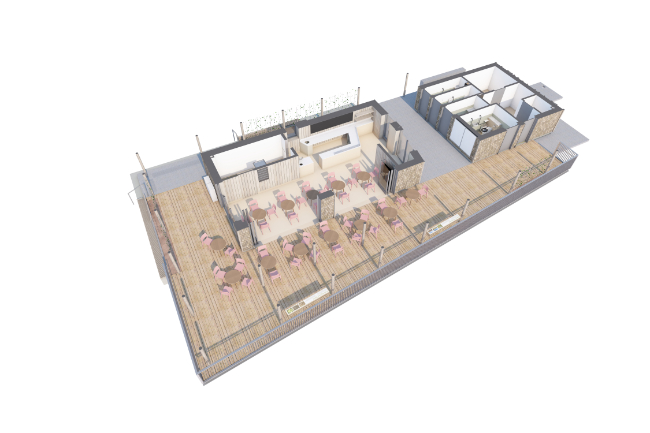
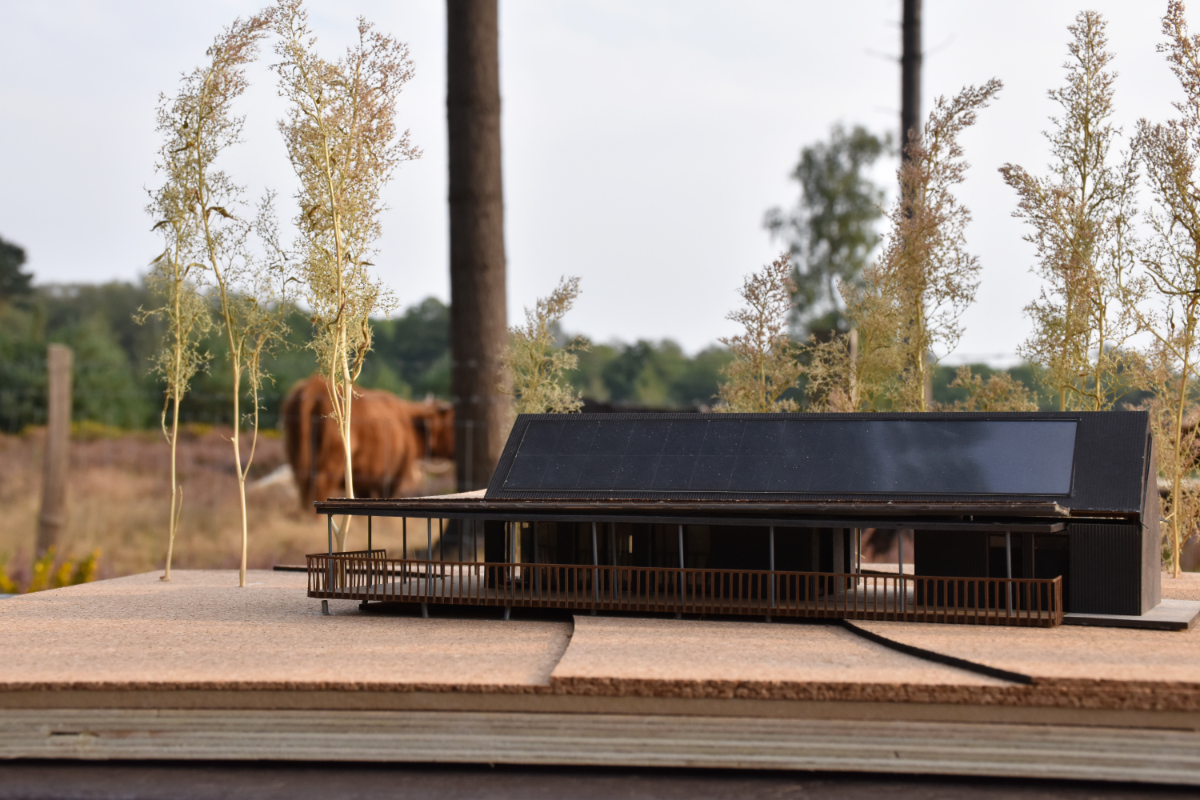
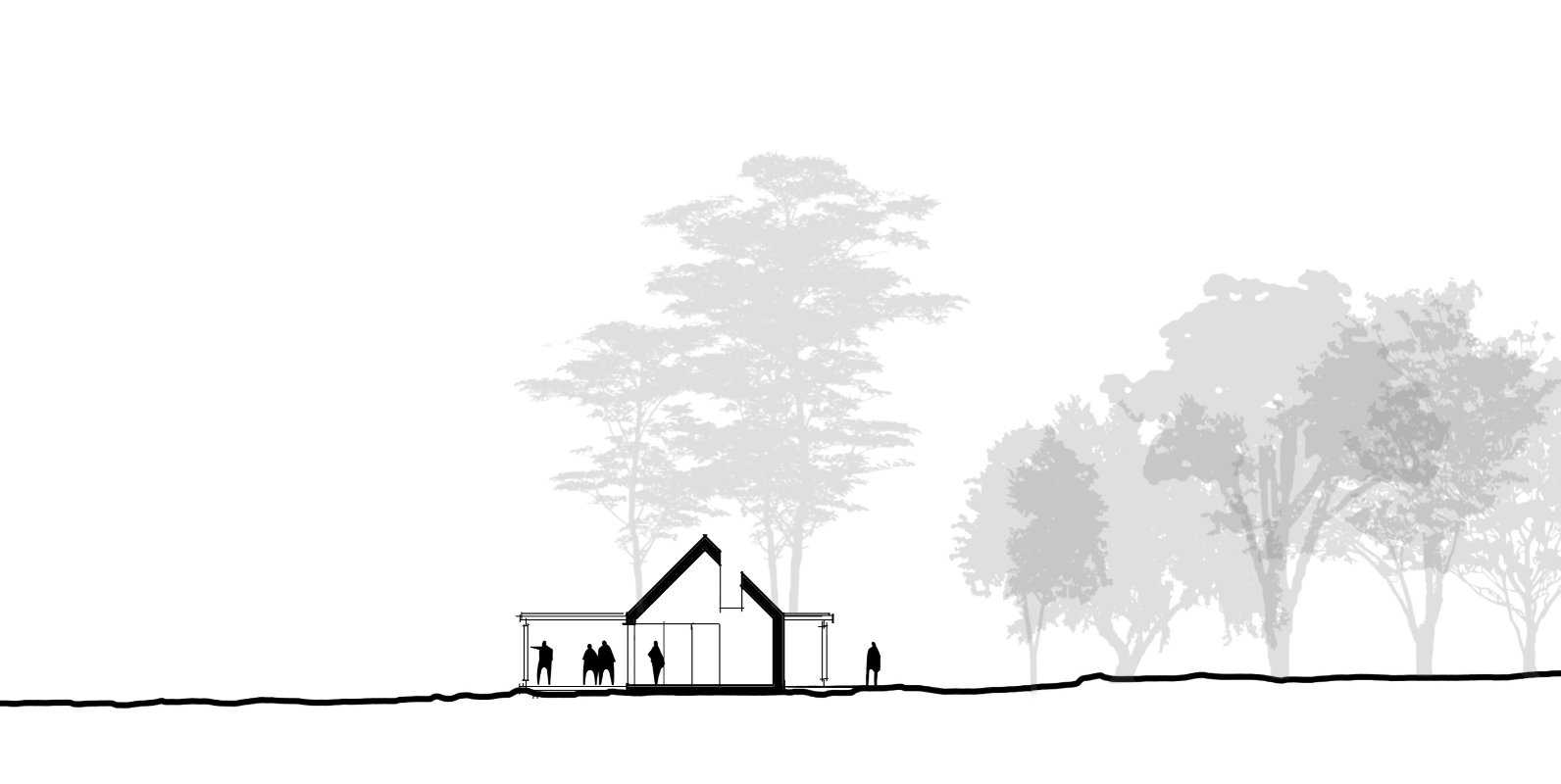
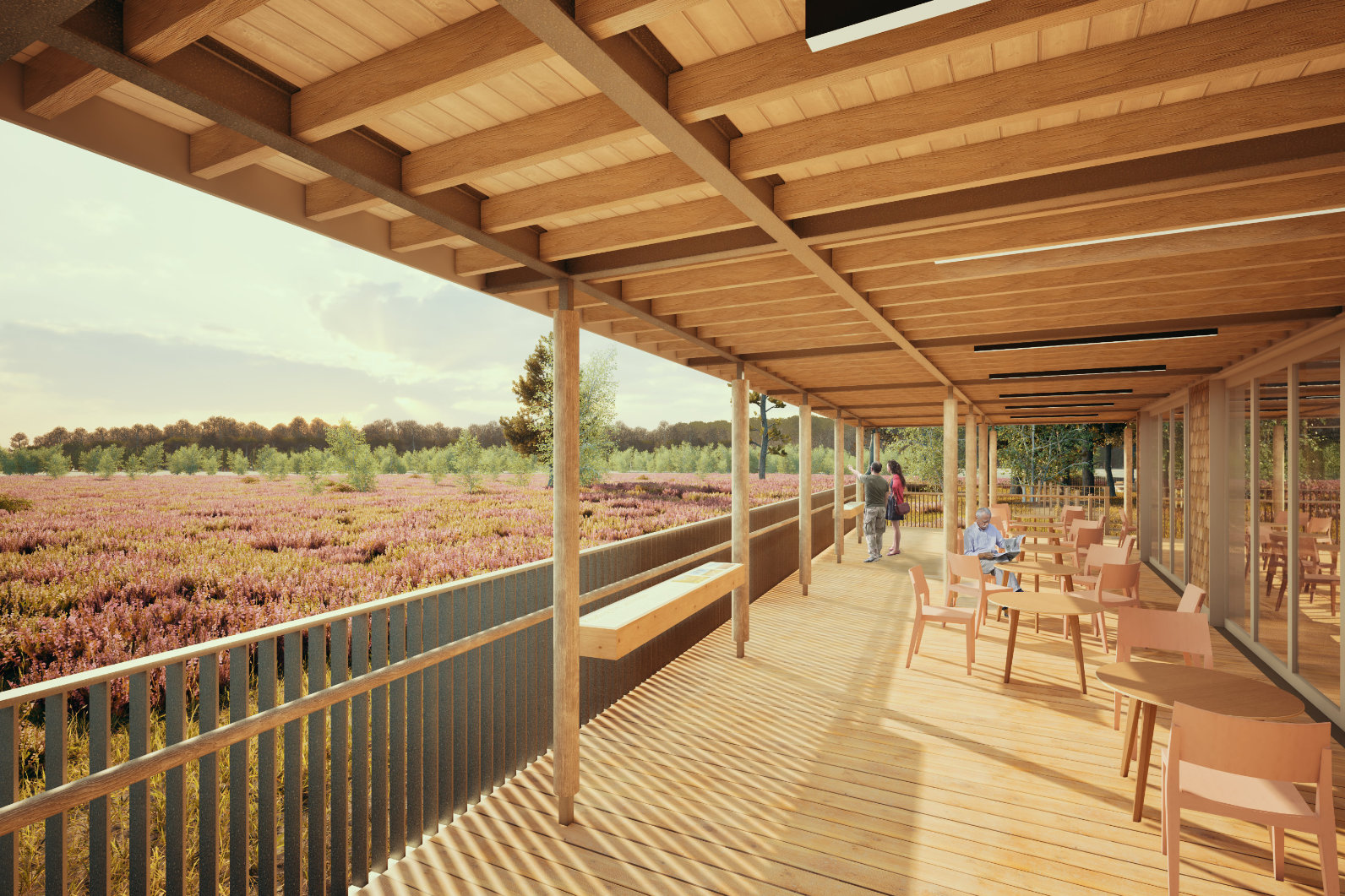
The canopy and timber deck allows visitors to immerse themselves in the beauty of the heathland without disturbing the wildlife. The green roof, planted with native species, blends seamlessly into the surrounding landscape, offering both protection from the elements and a habitat for birds and insects.
By integrating the structure into the landscape, the design ensures that human presence remains unobtrusive, allowing the ecosystem to continue to thrive while offering a serene spot to appreciate its beauty.
The café and visitor spaces frame views of the heathland and glimpses of the tree canopies with natural finishes creating a warm, calming environment for people to enjoy ‘a brew and view’.
LSI has worked closely with Broadland District Council to ensure that the development is as eco-friendly as possible, with special care being taken to protect the surrounding existing landscape and achieve a 10% biodiversity net-gain across the site. The building itself has been developed to achieve net-zero CO2 emissions through strategies such as heat pumps, solar panels, and the use of sustainable materials.
The scheme achieved planning approval in early 2025. Construction is due to complete in 2026.